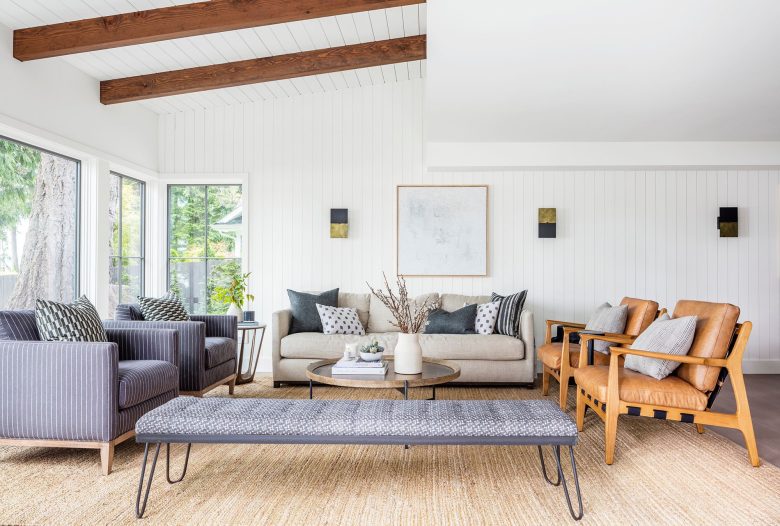
A cluttered home often leads to a cluttered mind. When your space is messy, it becomes harder to focus, relax, and enjoy your daily life. Many people feel overwhelmed by the idea of organizing their home because they think it requires too much time, money, or effort. The truth is, home organization and minimalism are not about perfection—they are about creating a space that works for you.
This guide will help you simplify your home, reduce clutter, and build easy habits that keep your space clean and stress-free. Whether you live in a small room or a large house, these practical tips will help you create a more peaceful and organized environment.
Why Home Organization Matters
A well-organized home is not just about appearance—it directly affects your mental and physical well-being. Clutter can cause stress, reduce productivity, and even impact your sleep quality.
When your home is organized:
- You save time looking for things
- You feel more relaxed and in control
- Cleaning becomes faster and easier
Minimalism takes this a step further by helping you focus only on what truly matters. It encourages you to remove unnecessary items and keep only things that add value to your life.
Start Small to Avoid Overwhelm
One of the biggest mistakes people make is trying to organize everything at once. This often leads to frustration and giving up halfway.
Instead, start small:
- Pick one drawer, shelf, or corner
- Spend 15–20 minutes organizing it
- Complete one small task before moving to the next
Small wins build momentum. Once you see progress, you’ll feel motivated to continue.
Declutter Before You Organize
You cannot organize clutter—you must remove it first. Many homes are filled with items that are rarely used but still take up space.
Ask yourself:
- Do I use this regularly?
- Does this item add value to my life?
- Would I buy this again today?
If the answer is no, it’s time to let it go. You can donate, recycle, or discard unused items. Decluttering creates space and makes organization much easier.
Use the “One In, One Out” Rule
A simple way to maintain a clutter-free home is by following the “one in, one out” rule. Every time you bring a new item into your home, remove an old one.
For example:
- Buy a new shirt → donate an old shirt
- Get a new kitchen tool → remove one you don’t use
This habit prevents clutter from building up again and keeps your space balanced.
Create a Place for Everything
One major reason homes become messy is that items don’t have a fixed place. When things are left randomly, clutter builds up quickly.
To fix this:
- Assign a specific spot for each item
- Store similar items together
- Use simple storage solutions like baskets or boxes
When everything has a “home,” it becomes easier to keep your space organized.
Keep Daily Cleaning Simple
Many people avoid cleaning because they think it requires hours of effort. In reality, small daily habits can keep your home tidy without stress.
Try these easy habits:
- Make your bed every morning
- Put items back after using them
- Spend 10 minutes cleaning before bed
These small actions prevent mess from piling up and make deep cleaning less necessary.
Organize by Function, Not Just Space
Instead of organizing items based only on where they fit, organize them based on how you use them.
For example:
- Keep cooking tools near your stove
- Store work items in one dedicated area
- Place daily essentials within easy reach
This approach makes your home more practical and saves time during your daily routine.
Reduce Emotional Attachment to Items
Many people struggle to declutter because of emotional attachment. While it’s okay to keep meaningful items, holding onto everything can create unnecessary stress.
A helpful approach:
- Keep a few truly special items
- Take photos of items you don’t need to keep
- Focus on memories, not objects
Letting go of excess belongings creates more space for peace and clarity.
Make Minimalism Work for Your Lifestyle
Minimalism doesn’t mean living with almost nothing. It means keeping what truly serves your needs and removing what doesn’t.
Your version of minimalism can include:
- Fewer clothes but ones you love
- A clean, simple workspace
- A home free from unnecessary distractions
The goal is not to follow strict rules but to create a space that feels comfortable and functional for you.
Maintain Your Organized Space
Organizing your home is not a one-time task—it’s an ongoing process. The key is to build habits that maintain your space over time.
Simple ways to stay organized:
- Do a quick weekly declutter
- Avoid impulse buying
- Regularly review and remove unused items
Consistency is more important than perfection. Even small efforts can keep your home in good shape.
Frequently Asked Questions (FAQs)
1. How do I start organizing if my home is very messy?
Start with one small area, like a drawer or table. Focus on completing one task at a time instead of trying to fix everything at once.
2. What is the easiest way to declutter quickly?
Use the “keep, donate, discard” method. Go through items and quickly decide which category they belong to.
3. Do I need expensive storage products?
No, simple solutions like boxes, baskets, or reused containers work just as well. The goal is functionality, not perfection.
4. How can I stop clutter from coming back?
Follow habits like the “one in, one out” rule and avoid buying things you don’t truly need.
5. Is minimalism suitable for families?
Yes, minimalism can work for families by focusing on reducing unnecessary items and creating organized, functional spaces for everyone.
Conclusion
Home organization and minimalism are not about having a perfect house—they are about creating a space that supports your life. By decluttering, building simple habits, and focusing on what truly matters, you can transform your home into a calm and stress-free environment.
Start small, stay consistent, and remember that every step you take brings you closer to a simpler, more peaceful life.